Intro
If you’ve been searching for how to publish a children’s book, you’re likely sitting on an idea that deserves to be shared. Maybe it’s a bedtime story, a classroom idea, or a character you can’t stop thinking about. The good news is this: publishing a children’s book is no longer limited to big publishing houses.
Today, you have real options. You can self-publish, go traditional, or even build your own audience first. But no matter which path you choose, the process starts the same way—with a strong story and a clear plan.This guide will walk you through the entire journey in a simple, practical way. No confusion. No filler. Just steps that actually help.

How to Publish a Children’s Book: Build the Idea First
Before thinking about printing or selling, focus on your idea. This is where most successful books begin. A children’s story does not need to be complex. In fact, the simpler it is, the better it works. Children connect with stories that are easy to follow and emotionally clear. Think about one central message. It could be about friendship, courage, honesty, or curiosity. Clarity matters more than creativity at this stage. If your idea feels scattered, your story will feel the same. When you create your own book, try to describe your story in one sentence. If you can do that, you’re already on the right track.
How to Write and Publish a Children’s Book That Feels Real
Understanding how to write and publish a children’s book means understanding how children experience stories. Kids don’t read the way adults do. They don’t look for complex vocabulary or deep explanations. They respond to rhythm, repetition, and emotion. That’s why your writing should feel natural when spoken out loud.
Keep your sentences short. Avoid long descriptions. Focus on actions instead of explanations. Instead of telling the reader what a character feels, show it through behavior. If you’re planning to make your own book, read your story aloud after writing it. If it sounds smooth and engaging, you’re on the right path. If it feels heavy or confusing, simplify it. Good children’s book writing feels effortless, even though it takes careful work.
How to Write a Children’s Book Template?
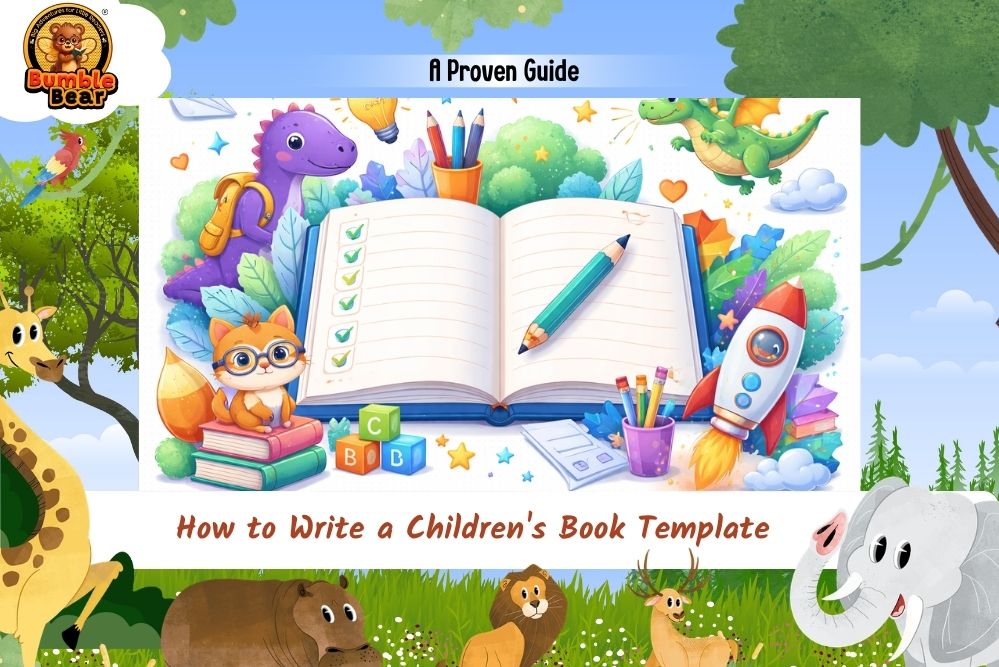
A strong structure can save you from getting stuck halfway through your story. You don’t need a complicated outline. A simple flow works best. Start by introducing your main character in a familiar setting. Then introduce a small problem that disrupts their world. Let the character try to solve it, even if they struggle. End with a clear resolution and a meaningful moment.
This structure helps you stay focused when you create your own book. It also makes your story easier for children to follow. Think of your story like a short journey. It should move forward with purpose, not wander.
How Hard Is It to Publish a Children’s Book?
Many new writers worry about how hard is it to publish a children’s book. The truth is, it’s not difficult—but it does require consistency. The challenge is not the publishing itself. The challenge is doing each step properly. Writing, editing, designing, and promoting all take time. If you rush through the process, your book will show it. If you take your time and focus on quality, the process becomes much smoother. So, when people ask how hard is it to publish a children’s book, the better answer is this: it’s manageable if you stay patient and follow a clear plan.
How to Self-Publish a Children’s Book Without Confusion
Learning how to self publish a children’s book gives you full control over your work. You decide how your book looks, how it is priced, and how it reaches readers. The process begins with a completed manuscript. Once your story is ready, editing becomes your next focus. This step is often overlooked, but it makes a huge difference. Clean, polished writing builds trust with readers.
After editing, you move to design and layout. If your book includes images, this stage becomes even more important. When you self publish a children’s picture book, the visuals must match the tone of your story.
Once everything is ready, you upload your book to a publishing platform. From there, your book becomes available for readers to discover. It may sound like a lot, but each step becomes easier once you start.

How to Publish a Children’s Picture Book That Kids Love
If you want to publish a children’s picture book, you need to think beyond words.
In picture books, book illustrations carry half the story. Sometimes, they carry even more. Children often understand the story through images before they fully read the text. Your visuals should be consistent, expressive, and easy to follow. Each page should feel connected to the next. Balance is important. Too much text can overwhelm young readers. Too little can make the story feel incomplete. Finding that balance takes time, but it’s worth the effort.
When working on how to self publish a children’s picture book, always review your book as a whole. Flip through it slowly and see if the story flows naturally.
How to Publish a Children’s Book on Amazon
If you’re looking for a practical way to get started, learning how to publish a children’s book on amazon is a smart move.
Amazon’s Kindle Direct Publishing platform allows you to upload your book and make it available worldwide. You can publish both digital and printed versions. The key here is presentation. Your book must be properly formatted. Your cover must stand out. These small details often decide whether someone clicks on your book or scrolls past it. Publishing on Amazon also gives you access to a global audience, which is a huge advantage for new authors.
How Much Does It Cost to Publish a Children’s Book?
Understanding how much does it cost to publish a children’s book helps you plan better.
Costs can vary depending on how much work you do yourself. If you hire professionals, your expenses will increase. Editing, illustration, and book cover design are the main areas where costs come in. Illustrations often take up the largest part of the budget, especially for picture books. A good illustrator brings your story to life, but that quality comes at a price. So, how much is it to publish a children’s book? It can range from a few hundred dollars to several thousand. The key is to spend wisely and focus on what improves your book the most.
How to Create and Publish a Children’s Book That Feels Professional
When you focus on how to create and publish a children’s book, quality becomes your biggest advantage. A well-edited story, strong illustrations, and a clean layout can make your book stand out instantly. Readers notice when a book feels polished. Take your time with each step. Rushing leads to mistakes, and mistakes affect how your book is received. Publishing is not just about finishing a book. It’s about creating something that feels complete and worth reading.
How to Get a Children’s Book Published Through Traditional Publishing
If you prefer a more structured route, understanding how to get a children’s book published through traditional methods is useful. This path involves submitting your manuscript to agents or publishers. It takes time and patience, but it also provides professional support. Publishers handle editing, design, and distribution. However, competition is high, and acceptance is not guaranteed. Still, for many writers, this path offers credibility and a wider reach.
10 Most Useful Tips for Publishing a Children’s Book
Publishing becomes much smoother when you focus on what truly matters. The small decisions you make during the process often shape how your book is received. Here are a few important and useful tips from experts:
-
Know your audience clearly
Before you write, decide the exact age group you’re targeting. A book for toddlers looks very different from one for middle-grade readers. Your language, story length, and tone should match your reader’s level.
-
Keep your story simple and focused
Children connect better with stories that are easy to follow. Stick to one main idea and avoid adding too many themes. A clear story always leaves a stronger impact.
-
Write the way children speak and listen
Your writing should feel natural when read out loud. Use short sentences and familiar words. If a sentence feels heavy, simplify it.
-
Edit your manuscript more than once
Your first draft is just the beginning. Go back and refine your story. Fix awkward lines, remove unnecessary words, and improve clarity. Clean writing makes your book feel professional.
-
Invest in good illustrations if needed
If you are working on a picture book, visuals are essential. Strong illustrations bring your story to life and help children understand the narrative better.
-
Create a cover that stands out instantly
Your cover is the first thing people notice. It should be bright, clear, and engaging. A strong cover can make the difference between a click and a scroll.
-
Format your book properly
A well-formatted book feels smooth to read. Pay attention to spacing, font size, and layout. This is especially important for younger readers.
-
Test your book with real readers
If possible, share your story with children or parents. Their reactions can help you see what works and what needs improvement.
-
Choose the right publishing method
Decide whether you want to self-publish or go the traditional route. Each option has its own benefits. Pick the one that fits your goals and timeline.
-
Stay patient and consistent
Publishing takes time. There may be delays or challenges along the way. Keep moving forward, even if progress feels slow. Consistency is what gets your book finished and published.
Bumble Bear Publishing Is Here to Bring Your Children’s Book to Life
If you feel unsure about how to publish a children’s book, Bumble Bear Publishing is here to guide you every step of the way. From shaping your idea to printing your final book, their team supports you with care and clarity. They help you refine your story, connect you with skilled illustrators, and ensure your book looks professional inside and out. Whether you want to self-publish or explore other options, they make the process simple and manageable. With the right support, your story can move from a simple idea to a beautiful book children will truly enjoy.
Ready To Publish Your Book!
Now you have a clear and practical understanding of how to publish a children’s book. From shaping your idea to choosing a publishing path, each step plays an important role. The process may seem long at first, but it becomes manageable when you take it step by step. Focus on writing a strong story, improving its quality, and presenting it well. Whether you choose self-publishing or traditional publishing, your story has value. If you stay consistent and committed, you can successfully achieve your goal of publishing a children’s book and sharing your work with young readers.
FAQs
How much money does it take to publish a children’s book?
The cost depends on your approach. If you handle most of the work yourself, you can keep costs low. Hiring professionals for editing and illustrations increases the budget but also improves quality.
How do I publish a children’s book for the first time?
Start by writing a simple, clear story. Edit it carefully, then choose between self-publishing and traditional publishing. Self-publishing is quicker, while traditional publishing takes longer but offers support.
What is the best way to publish a children’s book?
There is no single best way. Self-publishing gives you control and speed. Traditional publishing offers credibility and wider distribution. The right choice depends on your goals.
Do I need an illustrator to publish a children’s book?
For picture books, yes. Illustrations are essential for storytelling and engagement. If your book targets very young readers, strong visuals make a big difference.
What age group should I target when publishing a children’s book?
Decide this before writing. Younger children need simple language and visuals, while older children can handle more detailed stories. Knowing your audience helps shape your entire book.