Intro
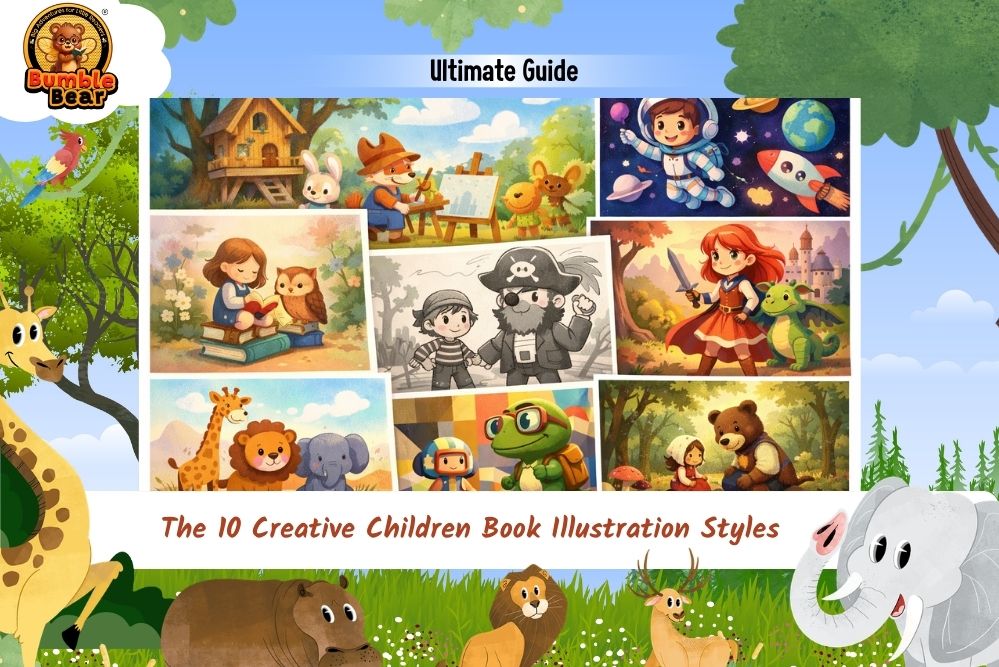
If you are exploring children’s book illustrations, you are already stepping into a world where stories don’t just get told, they come alive on the page. In children’s books, words are only half the magic. The real spark often comes from the pictures. A single illustration can make a child giggle, feel curious, or sit quietly just to stare at the page a little longer. Most of the time, they remember the image before they remember the sentence. That is why illustration style matters so much in kids’ books, children’s books, and every kind of book for kids. The right style can turn a simple idea into a whole new world that a child wants to return to again and again. In this guide, we will explore ten creative illustration styles used in both classic and modern publishing. You will also see real book examples so you can understand how each style feels in an actual story and which one might be perfect for your own.
What Are Children’s Book Illustrations and Why Do They Matter?
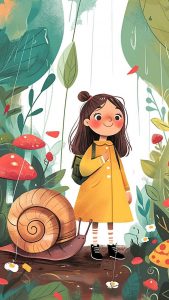
Children’s book illustrations are visual storytelling tools that bring written stories to life in a way words alone cannot achieve. For children, pictures are often the first point of connection with a story. Before they fully read the sentence, they already understand the emotion through the image. A smiling character, a dark forest, or a playful scene immediately tells them what is happening. These illustrations help children make sense of emotions, actions, and environments without needing advanced reading skills. A scared character can show fear without a single explanation. A bright sunny page can instantly feel happy and safe. This is why illustrations are not just decoration. They are part of the storytelling itself.
In kids’ books and children’s books, illustrations also support memory and learning. Children remember scenes more easily than text. A strong visual can stay in their mind long after the book is closed. It improves attention, builds curiosity, and encourages them to keep turning pages. For early readers, illustrations also act like guides.
Choosing the right style of illustration can completely change how a story feels. It can make a simple story magical or turn a serious lesson into something gentle and engaging. That is why so much thought goes into children’s book illustrations’ styles during the book publishing process.
Now that we understand why illustrations matter so deeply in storytelling, let’s explore the 10 creative styles used in children’s book publishing today.
1. Watercolor Children’s Book Illustrations Style
The watercolor style is soft, emotional, and full of gentle texture. It feels hand-painted and warm, which makes it perfect for bedtime stories and nature themes. One of the best examples is The Tale of Peter Rabbit by Beatrix Potter.
https://www.amazon.com/s?k=the+tale+of+peter+rabbit
The illustrations use light brush strokes and natural tones. You can almost feel the countryside through the pages. This is why watercolor remains one of the most beautiful children’s book illustrations styles even today. It works best for calm, emotional children’s books where mood matters more than action.
2. Digital Children’s Book Illustrations Style
Digital illustration is created using software instead of paper and paint. It is clean, flexible, and widely used in modern publishing.
A great example is The Gruffalo by Julia Donaldson.
https://www.amazon.com/s?k=the+gruffalo+book
The bold digital style makes characters expressive and easy for children to recognize. The shapes are simple, but the emotions are strong. This style is now one of the most used in the best children’s book illustrations because it allows quick book edits and bright colors.
3. Minimalist Simple Children’s Book Illustrations Style
Minimalist illustration uses fewer elements. It focuses only on what matters: character, action, and emotion.
A good example is Goodnight Moon by Margaret Wise Brown.
https://www.amazon.com/s?k=goodnight+moon
The illustrations are very simple, yet powerful. The calm layout makes it perfect for bedtime reading. This style works especially well in early books for kids because children are not overwhelmed by detail. It supports focus and calm storytelling.
4. Cartoon Children’s Book Illustrations Style
Cartoon style is fun, expressive, and full of energy. It uses exaggerated emotions and bright colors to keep children engaged.
A well-known example is Peppa Pig books.
https://www.amazon.com/s?k=peppa+pig+books
Characters are simple but very emotional. Kids easily understand feelings like happiness, surprise, or anger. This is one of the most popular styles of children’s book illustrations for modern kids’ books because it keeps attention high.
5. Realistic Children’s Book Illustrations Style
Realistic illustration focuses on lifelike detail. It shows characters, animals, and environments in a very natural way.
A strong example is The Snowy Day by Ezra Jack Keats.
https://www.amazon.com/s?k=the+snowy+day+ezra+jack+keats
The soft but realistic city scenes help children connect with everyday life. This style is often used in educational children’s books where understanding the real world is important.
6. Collage Children’s Book Illustrations Style
Collage illustration uses cut-paper textures, mixed materials, and layered visuals. It feels creative and handmade.
A perfect example is The Very Hungry Caterpillar by Eric Carle.
https://www.amazon.com/s?k=the+very+hungry+caterpillar
The artwork uses painted tissue-paper textures. This makes the book visually unique and unforgettable. This is one of the most famous examples of children’s book illustrations in publishing history.
7. Vintage Old Children’s Book Illustrations Style
This style reflects traditional hand-drawn art from older books. It often uses muted colors and classic line work.
A great example is Winnie-the-Pooh by A.A. Milne.
https://www.amazon.com/s?k=winnie+the+pooh+book
The illustrations feel nostalgic and warm. They remind readers of early storytelling traditions. These old children’s book illustrations still influence many modern top children’s books today.
8. Ink and Watercolor Hybrid Style
This style combines ink outlines with soft watercolor shading. It gives both structure and emotion.
A strong example is Alice in Wonderland illustrated editions.
https://www.amazon.com/s?k=alice+in+wonderland+illustrated
The ink defines characters clearly, while watercolor adds mood and fantasy. This is one of the most classic children’s book illustrations styles still used in modern adaptations.
9. Fantasy Children’s Book Illustrations Style
Fantasy illustration is rich, detailed, and imaginative. It creates magical worlds that do not exist in real life.
A perfect example is Harry Potter and the Sorcerer’s Stone (Illustrated Edition)
https://www.amazon.com/s?k=harry+potter+illustrated+edition
The visuals bring magic, castles, and creatures to life in a powerful way. This style is common in the best children’s books because it builds imagination and curiosity.
10. AI-Generated Children’s Book Illustrations Style
This is one of the newest children’s book illustration styles, created using artificial intelligence tools instead of traditional drawing methods. It allows authors and illustrators to generate visual ideas quickly by typing simple prompts. Because of this speed, it is often used in the early planning stage of children’s books to test characters, scenes, and moods before final artwork is created.
Some popular tools used for AI-generated children’s book illustrations include Midjourney, DALL·E, Adobe Firefly, and Canva AI image tools. These platforms help creators experiment with different visual directions without needing advanced drawing skills. Many beginners also explore creating children’s book illustrations online, free options like Leonardo AI and Bing Image Creator to practice ideas and build story concepts. This style is very useful for brainstorming and concept development. An author can quickly see how a character might look in a forest scene or how a fantasy world could appear before investing in full illustration work.
However, even though AI tools are fast and powerful, they are not usually used alone for final publishing. Most professional books for kids still require human illustrators to refine details, adjust emotions, and make the artwork feel warm and natural. AI images can sometimes feel too perfect or emotionally flat, so artists often edit and improve them afterward. Due to this balance between speed and creativity, AI illustration is growing quickly but is still evolving in professional publishing. It is best seen as a support tool, not a replacement for traditional illustration in children’s book illustrations.
How to Choose the Right Illustration Style
Every story has its own mood, rhythm, and personality, and the illustration style should match that feeling. The right children’s book illustration styles don’t just make the pages look good; they help children understand the story on an emotional level. When you choose a style, think about how you want a child to feel while reading. Do you want them to laugh, feel calm, or stay curious?
For example, funny stories usually work best with bold cartoon-style illustrations. These styles use expressive faces, playful shapes, and bright colors that instantly engage and entertain children.
Emotional stories, on the other hand, often connect better with watercolor illustrations. Soft textures and gentle tones help create a warm feeling, which works beautifully in heartfelt children’s books. Educational books usually benefit from realistic illustration styles. Clear, detailed visuals help children understand real-world concepts such as animals, nature, and daily life in books for kids.
For bedtime stories, soft minimalist styles are often the best choice. Simple backgrounds, calm colors, and fewer distractions help children relax and focus on the story before sleep. Choosing the right illustration style is not just a design decision. It shapes how the story is felt, remembered, and enjoyed. That is why it plays such an important role in successful children’s book illustrations.
Bumble Bear Publishing Is Here to Illustrate Your Story and Bring It to Life
At Bumble Bear Publishing, we believe every story deserves the right visual magic. If you have an idea, a draft, or even just a character in mind, we can turn it into a fully illustrated children’s book. Our team understands how powerful children’s book illustrations are in shaping how kids feel and remember a story. From soft watercolor pages to bright digital styles, we match the illustration style to your vision. We don’t just draw pictures; we build emotions, scenes, and storytelling flow. Whether it’s a bedtime story or a learning book, we help you create something children will truly connect with and enjoy reading again and again.
CLICK TO ILLUSTRATE YOUR CHILDREN’S BOOK
Final Thoughts
Hope this guide helped you see how much creativity and emotion go into children’s book illustrations. Each style carries its own personality, mood, and storytelling power, and the right choice can completely change how a child experiences a story. From soft watercolor pages to bold digital art and even modern AI concepts, every approach has something special to offer in kids’ books, children’s books, and books for kids. What matters most is choosing a style that feels true to your story and connects naturally with young readers. When words and visuals work together, stories become unforgettable. That is the real magic behind great children’s book illustrations.
FAQs
What are the most popular children’s book illustration styles?
The most popular styles include watercolor, digital illustration, collage, and minimalist design. Each style creates a different emotional tone for the story.
How do I choose the right illustration style for my book?
Match the style with your story mood. Soft styles suit bedtime books, while bold styles work for adventure stories.
Which illustration style is best for a children’s book?
There is no single best style. The best style is the one that matches your story and target age group.
What is the difference between traditional and digital illustration?
Traditional illustration is hand-drawn, while digital illustration is created using software. Both can be used effectively in children’s books.
How much does children’s book illustration cost?
Costs vary widely. Simple illustrations are cheaper, while professional full-book illustrations can cost more depending on detail and experience.